Fontana, CA · Garage Door Service
Fontana Garage Door Pros fixes and replaces doors on the 1958-2007 housing stock across Fontana, from Sierra Lakes to Southridge Village, matching parts to the original hardware.
What We Do
From a snapped spring to a full door replacement - one local crew, upfront pricing.
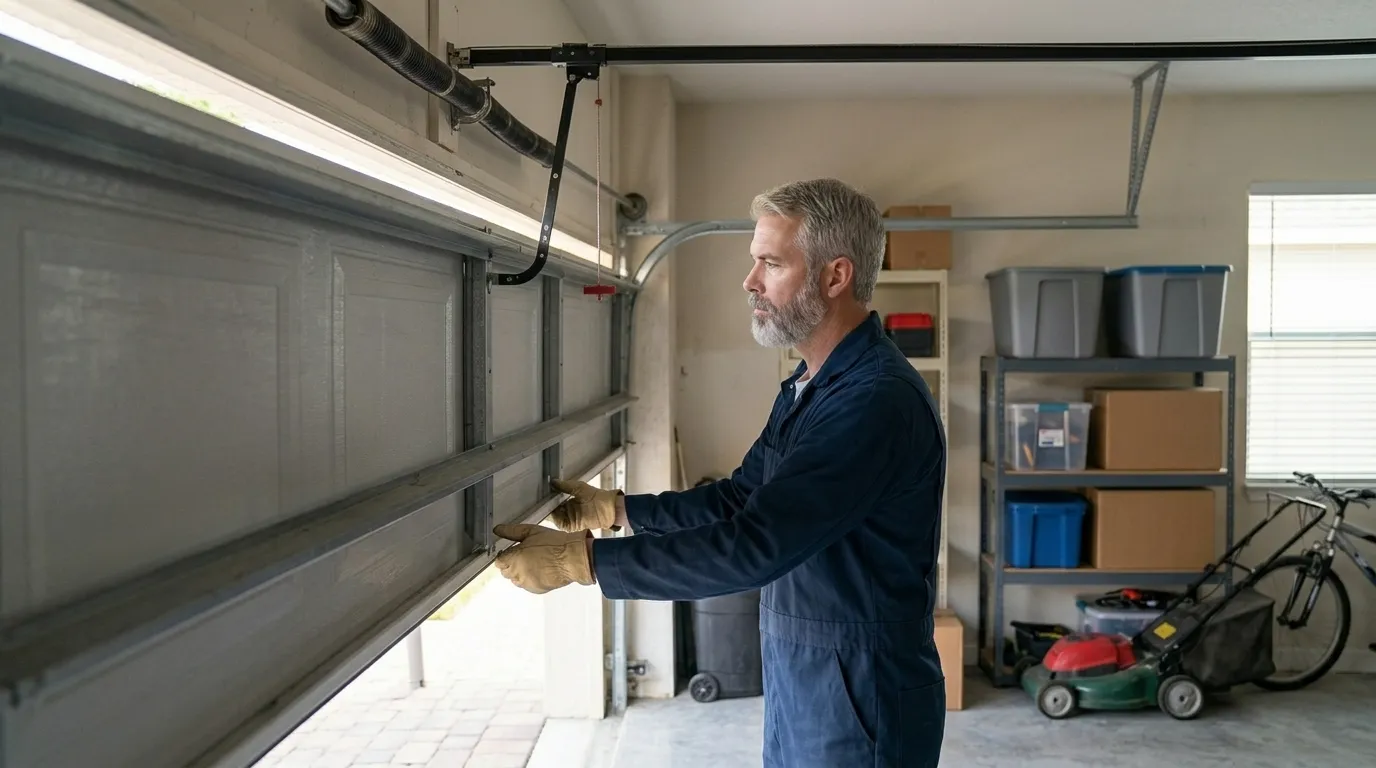
Off-track doors, snapped cables, bent panels and grinding openers - diagnosed and fixed.
Learn more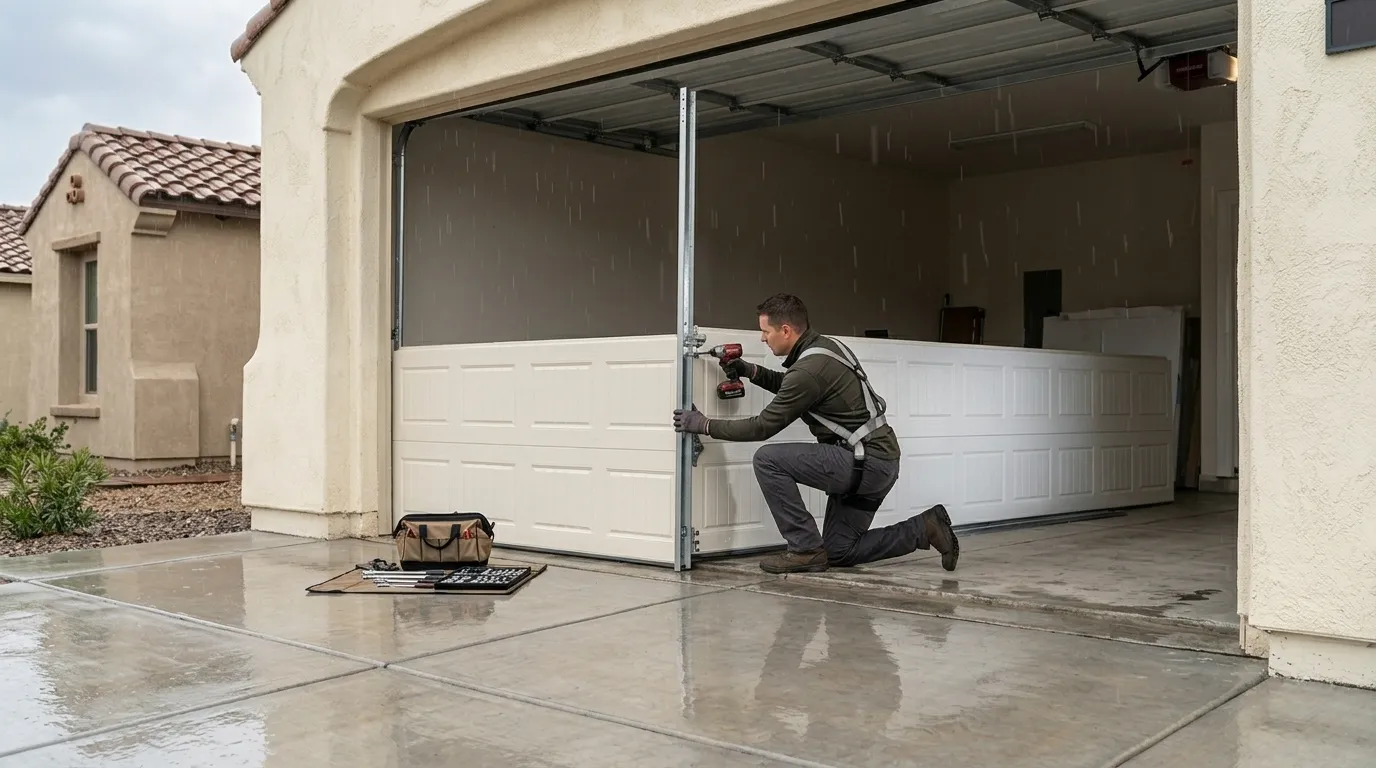
Torsion and extension springs replaced safely - the job you should never DIY.
Learn more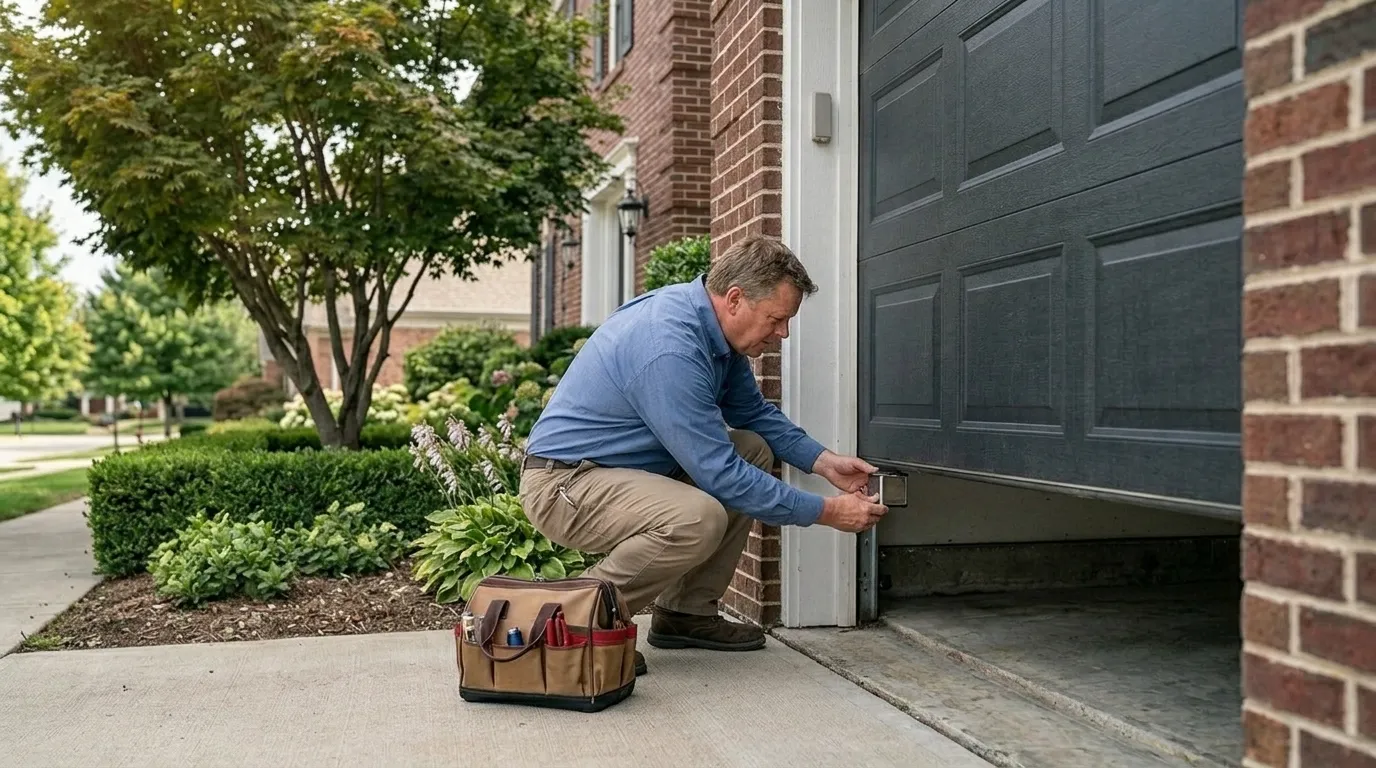
New openers sized to your door, wired, programmed and safety-tested.
Learn more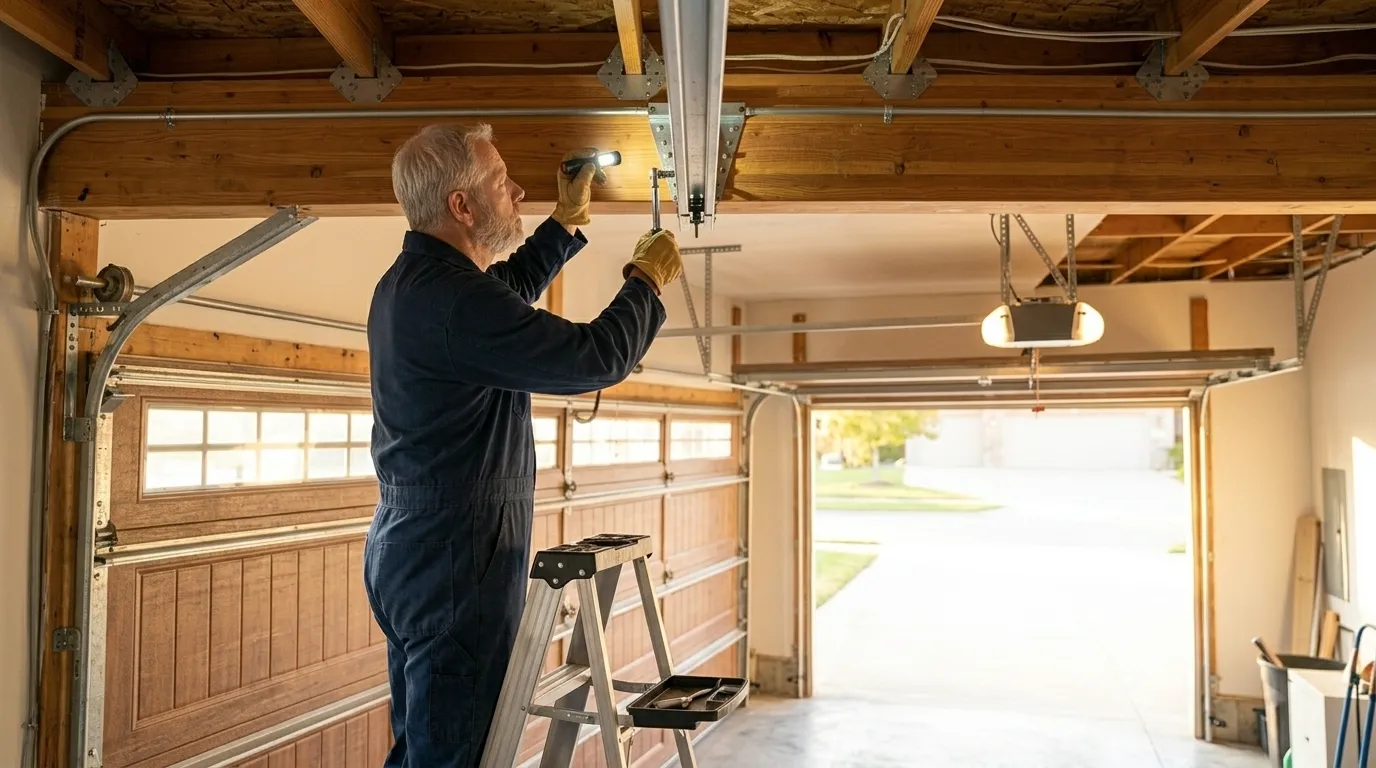
Dented or cracked sections swapped for a match without replacing the whole door.
Learn more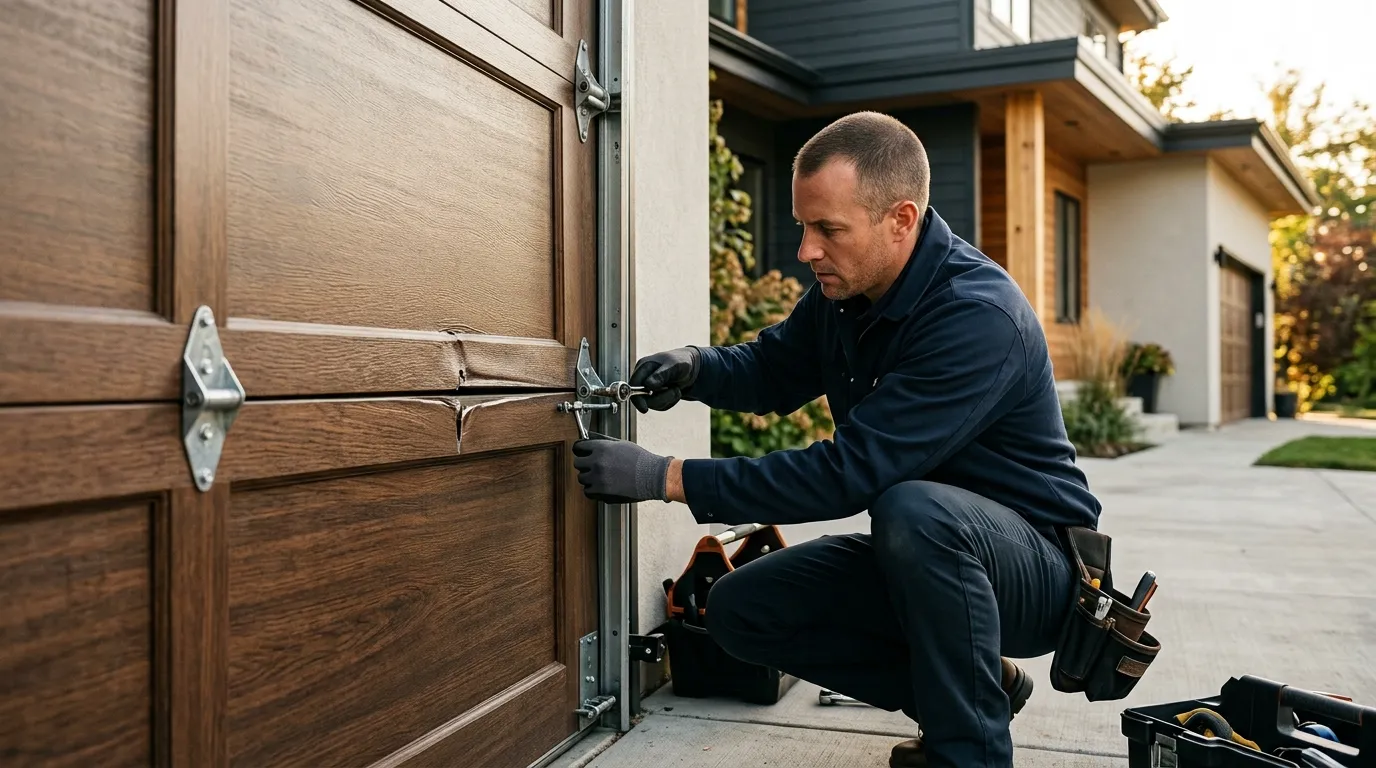
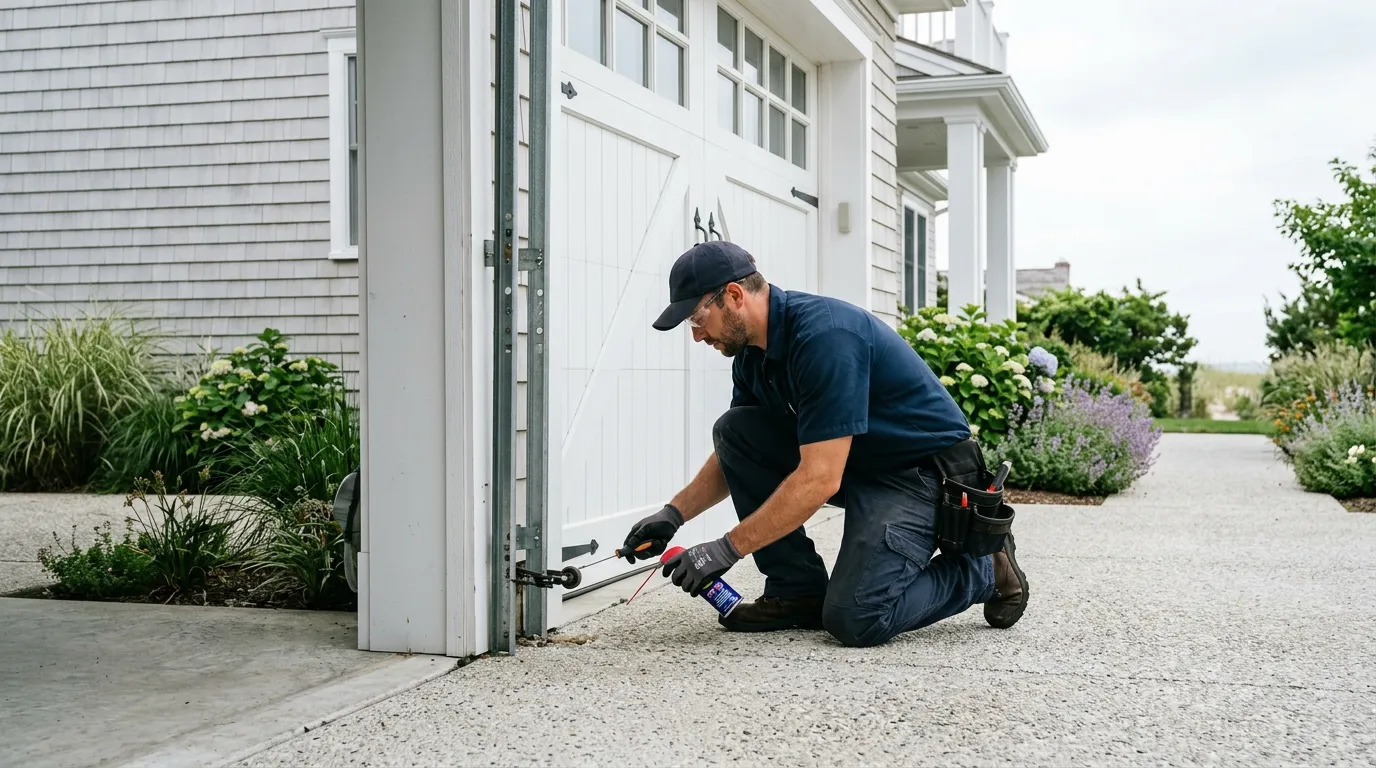
Worn nylon or steel rollers replaced to kill the grinding and shaking.
Learn more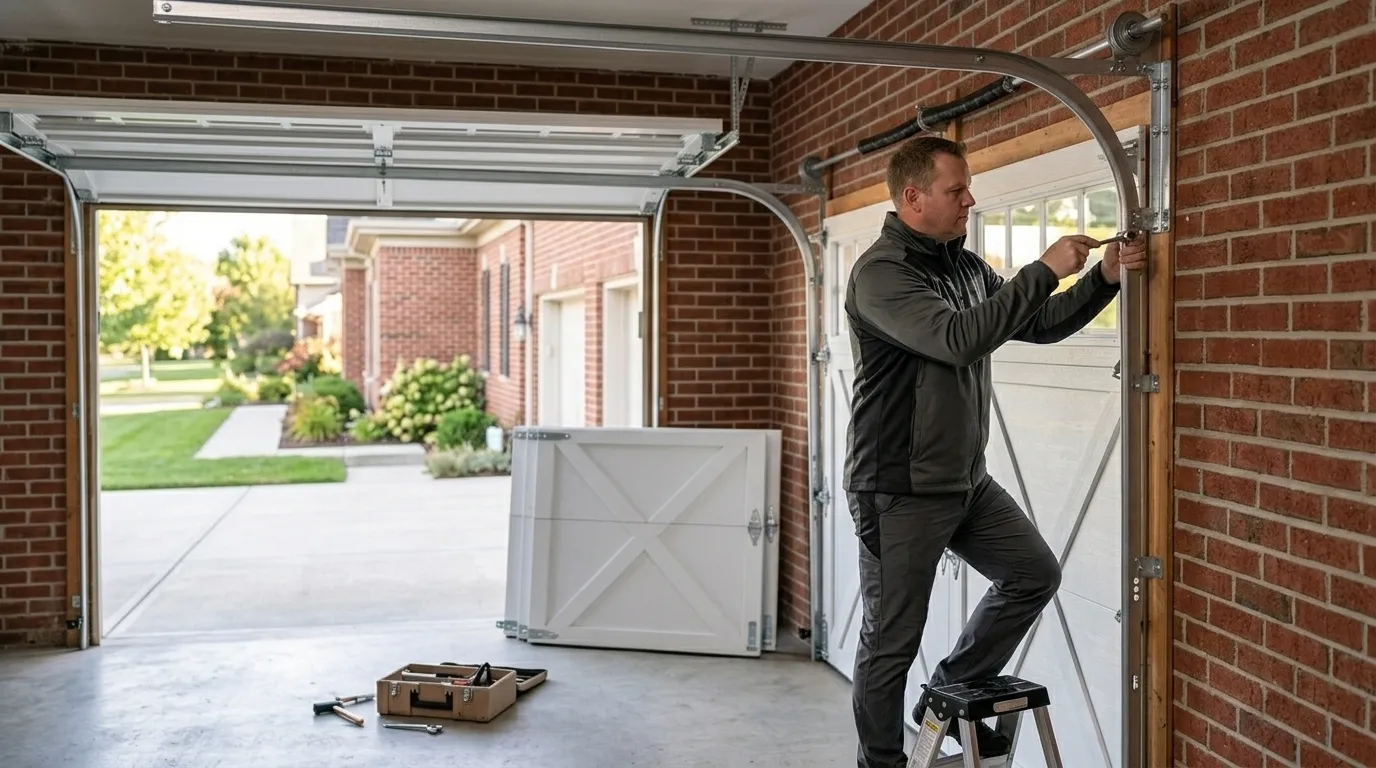
Rolling steel, sectional and high-cycle doors for shops, warehouses and lots.
Learn moreFast Response
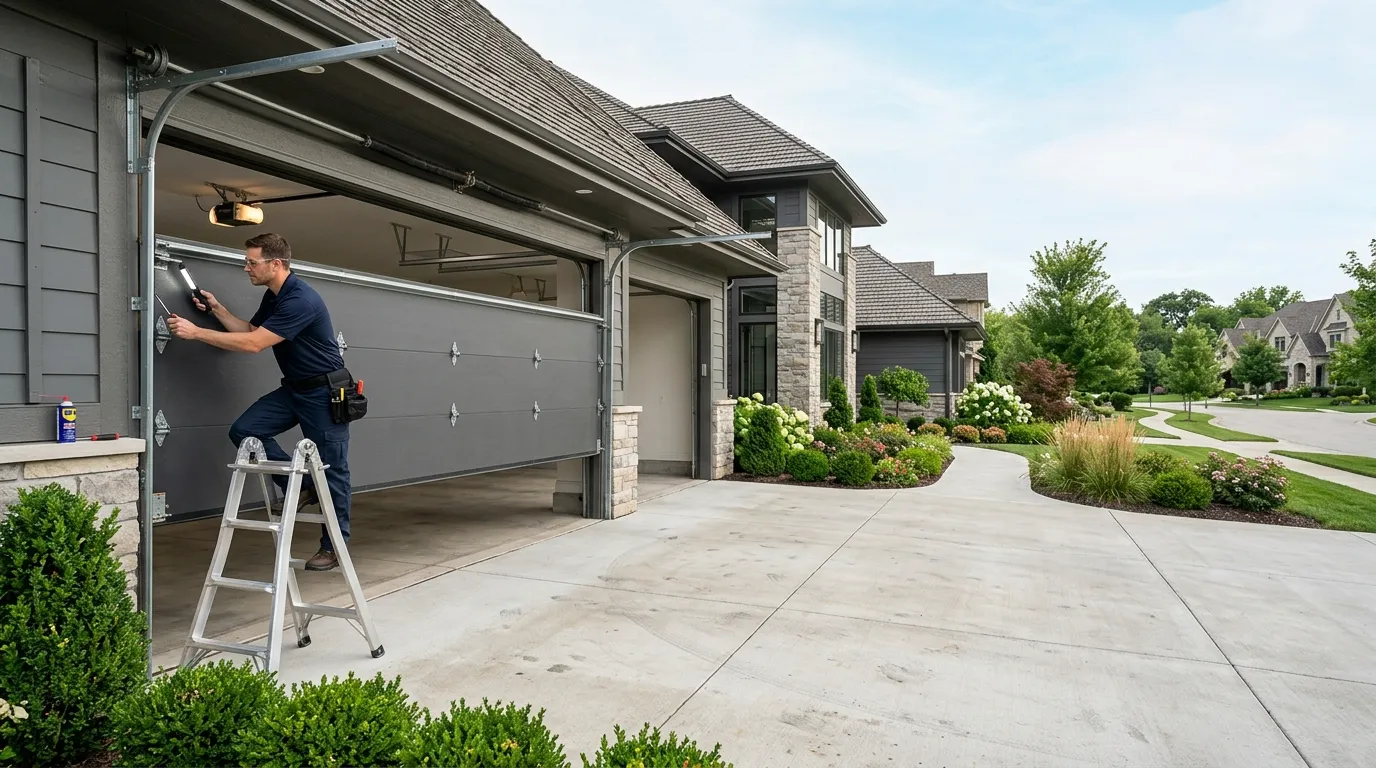
A stuck or broken garage door can't wait. Call before the afternoon and we can usually be out the same day - most repairs are diagnosed and finished on the first visit, with an upfront price before any work starts.
 Same-day service
Why Fontana Calls Us
Most repair calls are handled the same or next day - springs and openers don't wait.
Trained techs, proper spring tools, and the insurance to back the work.
A written quote at the door before any work starts - no surprise add-ons.
We diagnose the actual cause, not just the symptom, so the door stays fixed.
Fully stocked trucks mean most repairs are finished on the first visit, no second trip.
A Fontana-based team you can reach directly, not a national call center.
How It Works
Call or request a quote and describe what the door is doing - noise, off-track, won't open.
A tech inspects the springs, tracks, opener and panels and gives you a written price first.
Most repairs are done on the same visit; installs are scheduled around you.
Our Work
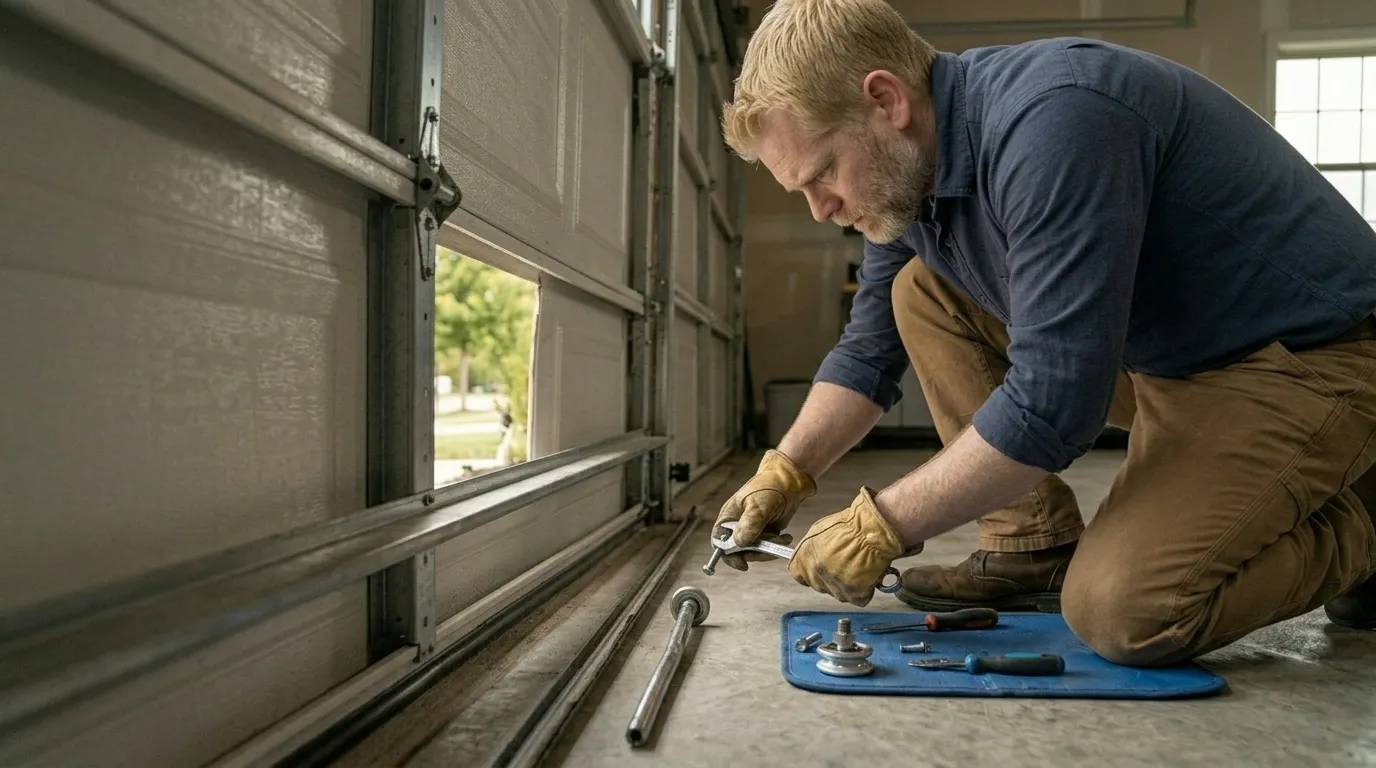
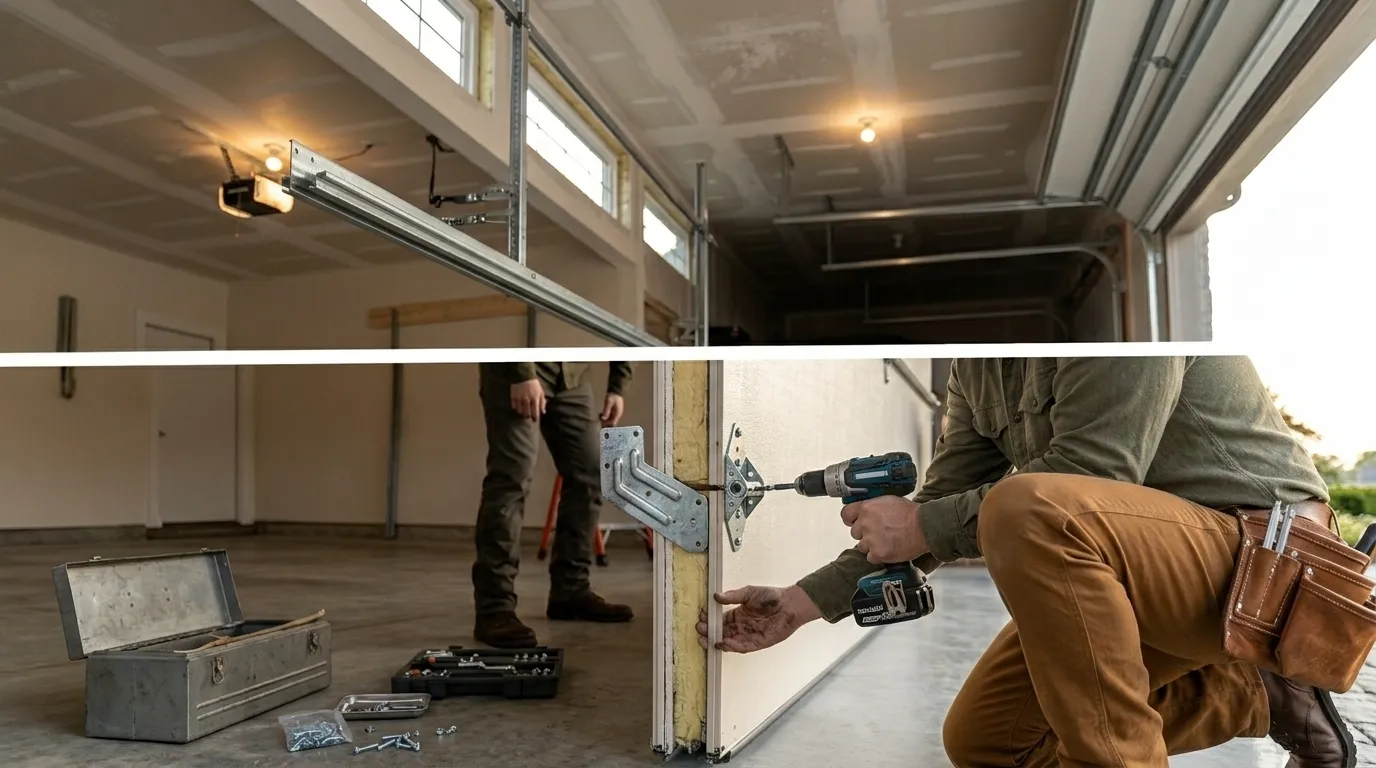
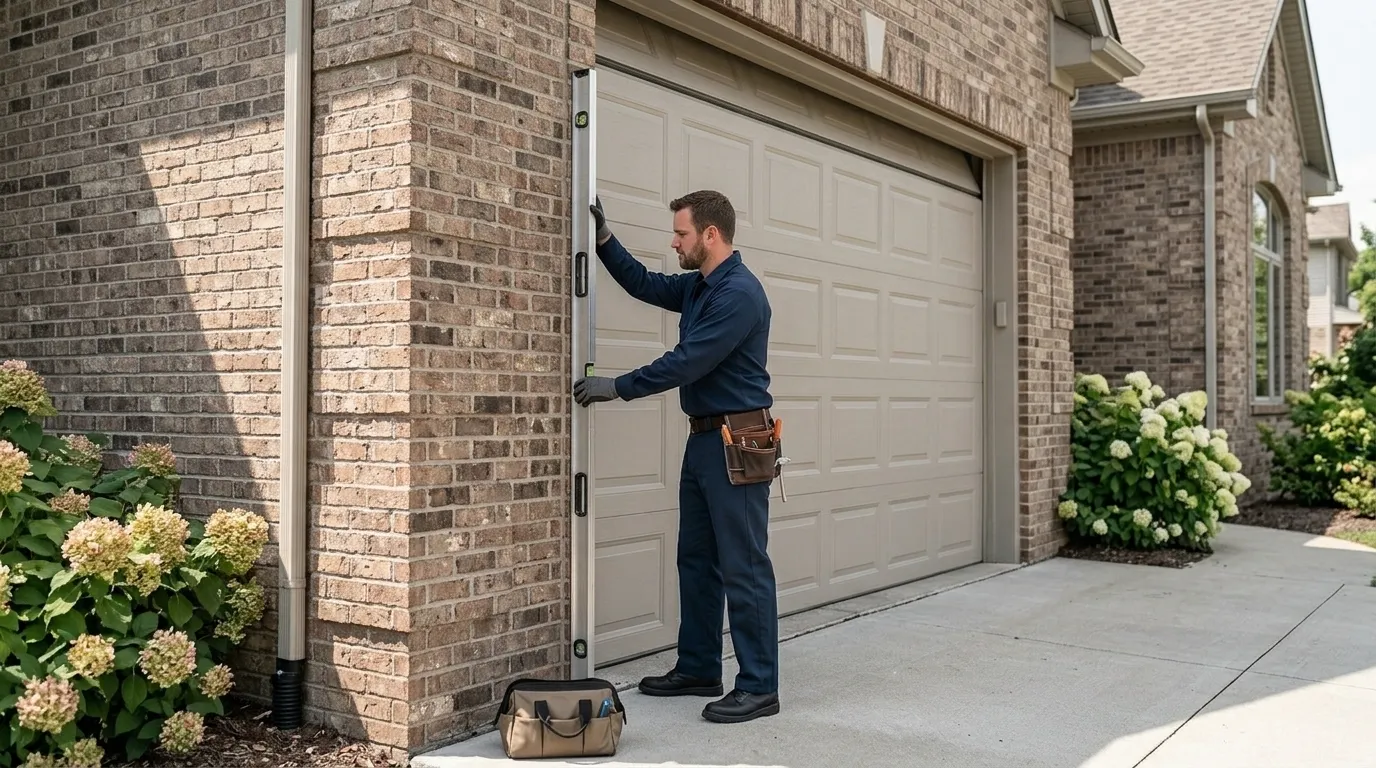
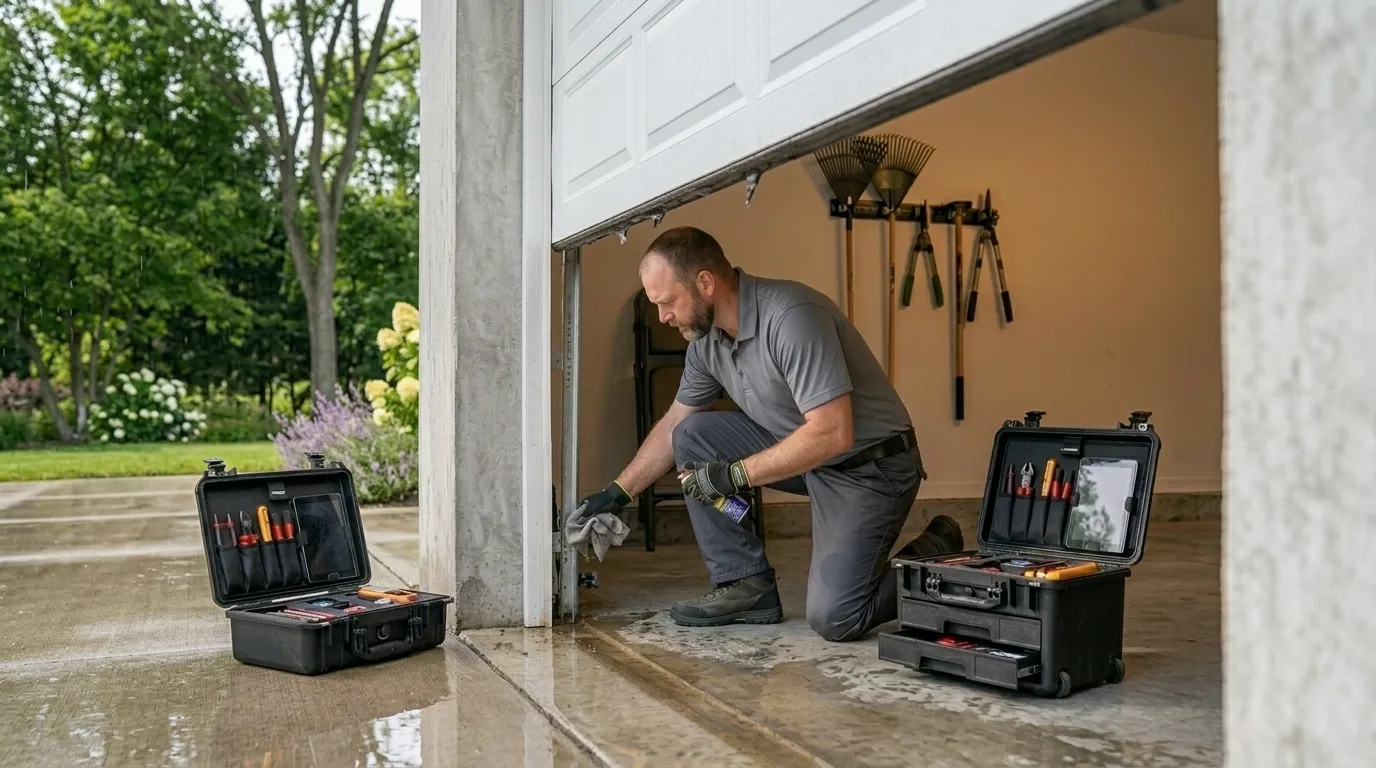
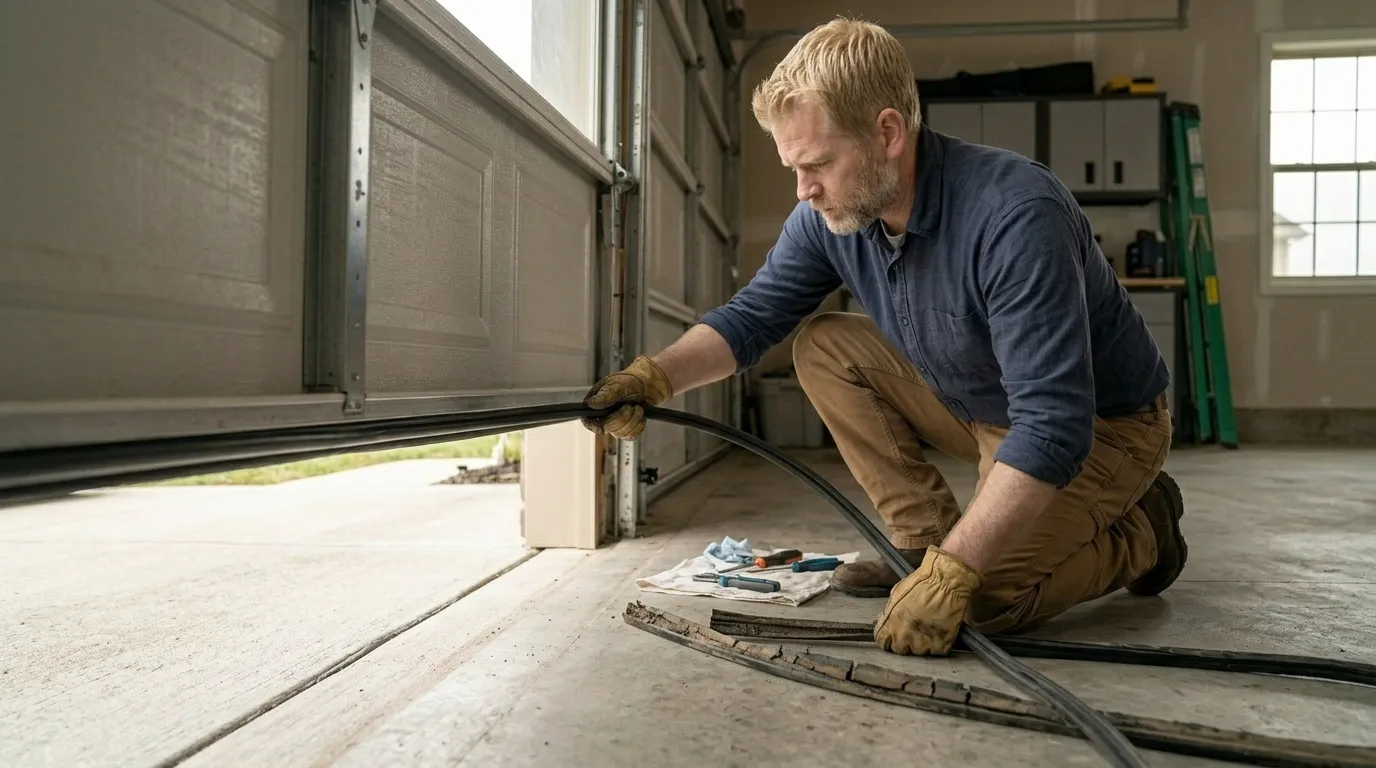
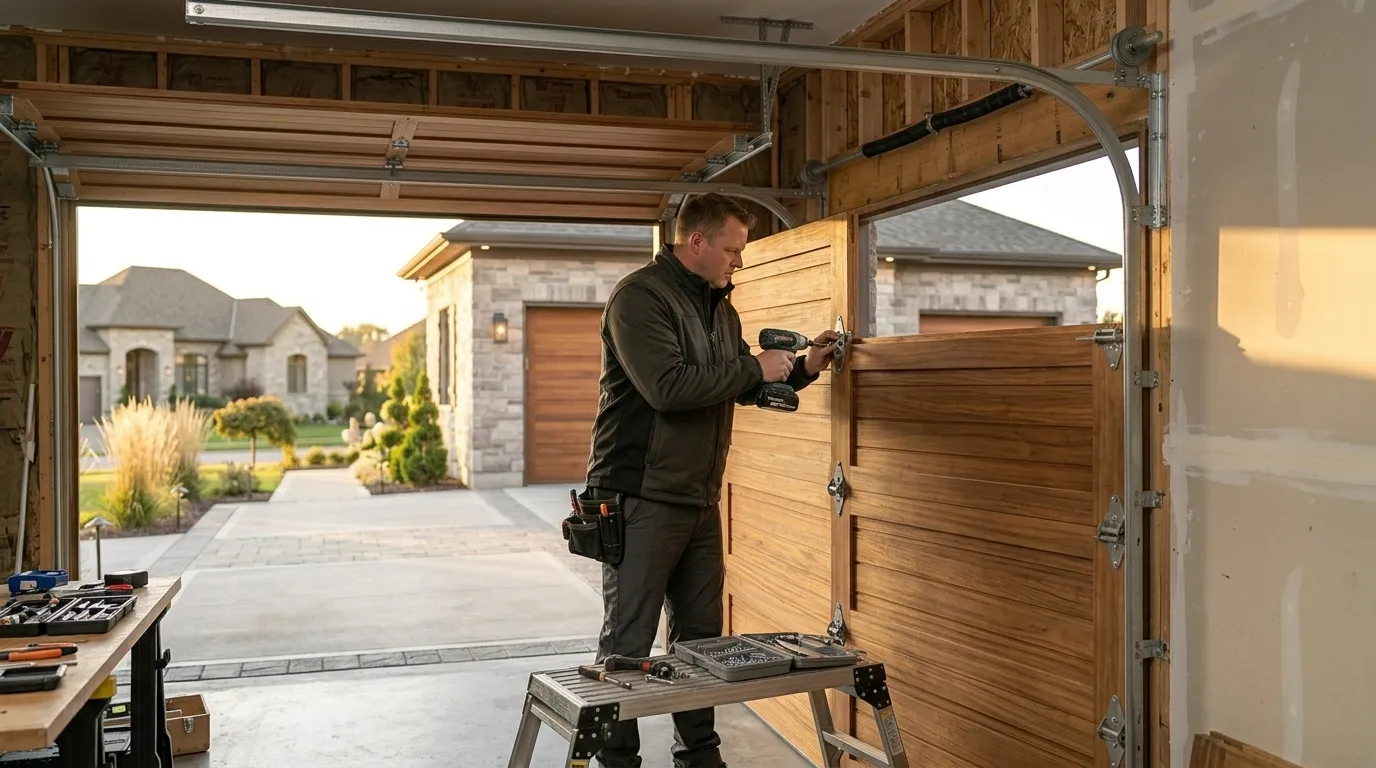
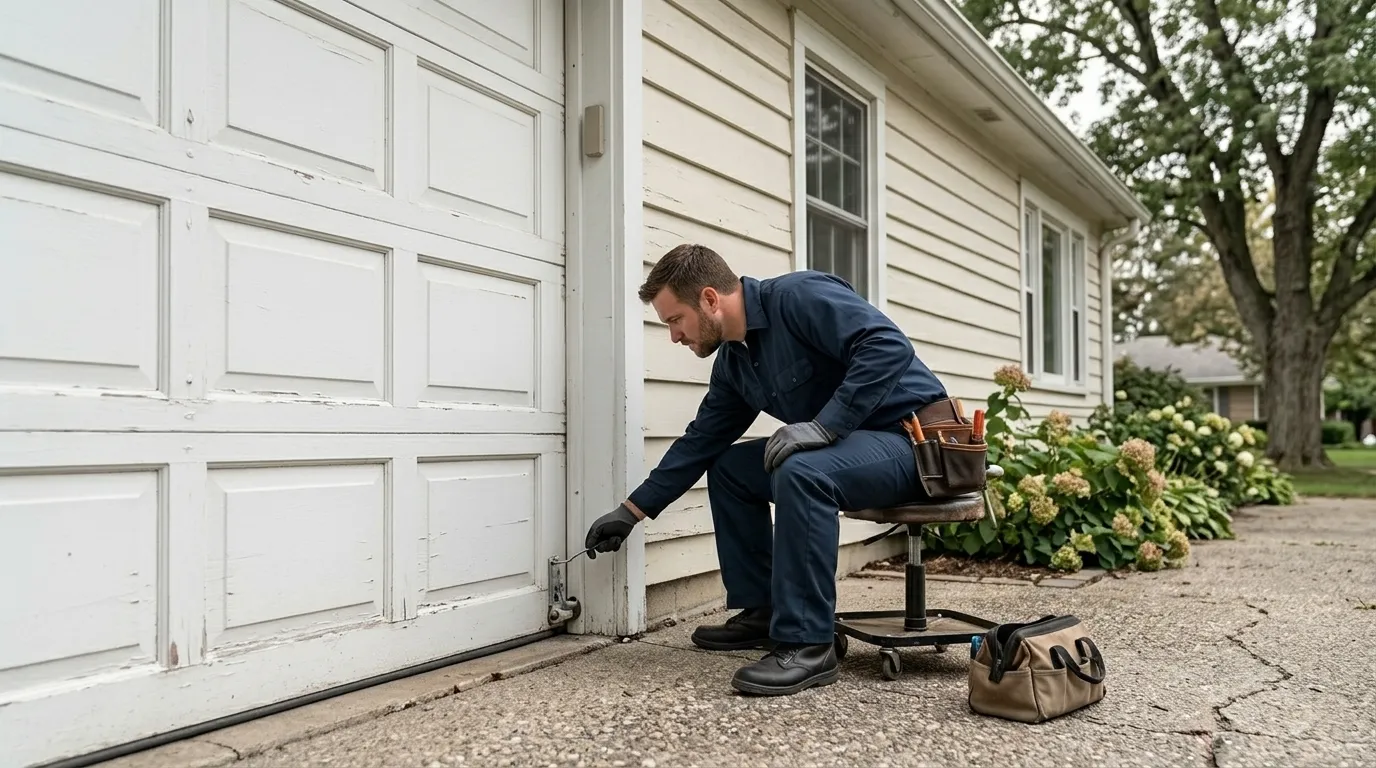
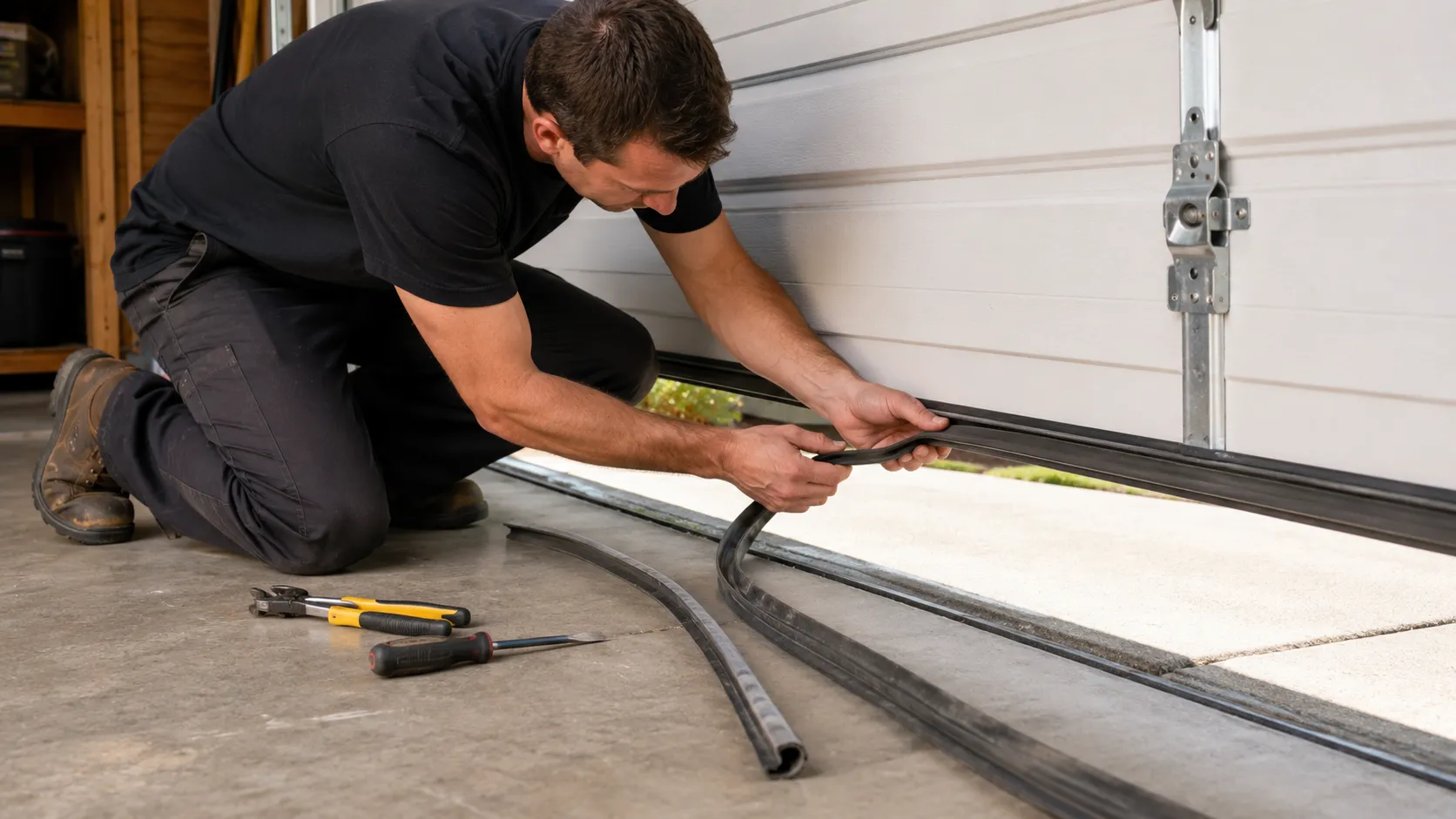
A look at doors, openers and springs we've installed and serviced across the Fontana metro.
Where We Work
Neighborhoods across the city and suburbs around the metro. Not sure if we reach you? Just ask.
Local Expertise
You call, you tell us what the door is doing (or not doing), and we ask a few questions before a truck ever leaves the yard - what it sounds like, whether the opener still lights up, whether one side of the door is lower than the other. That last one usually means a broken cable or a bent track, not a dead opener, and it changes what we bring.
We give you a window, not a guess dressed up as a promise. If the job is a torsion spring on a door from the 1960s or 70s wave - and a lot of Fontana's doors are exactly that - we carry standard sizes on the truck. Older or oddball hardware sometimes means a short wait on a part, and we'll tell you that up front instead of after we've already opened the header.
We're straight about what we find. If the fix is a $40 part and twenty minutes, that's what we say, even if you expected worse. If the opener is original to a house built decades ago and the logic board's cooked, we say that too, and we talk replacement instead of stretching a repair past where it makes sense.
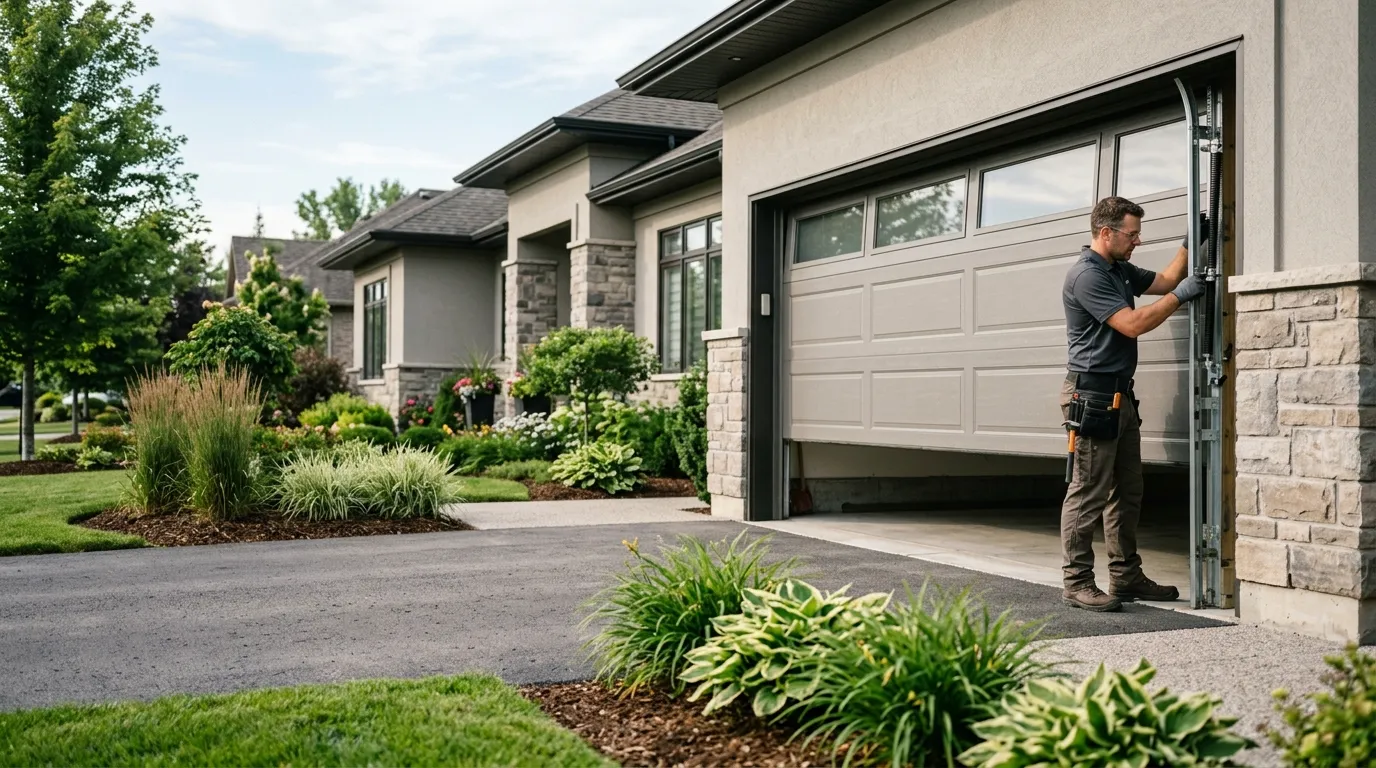
Houses in this service area were built mostly between 1958 and 2007, with the median landing around 1978. That means a big share of the doors we get called to are original one-piece or early sectional units on torsion or extension springs sized for hardware nobody manufactures anymore. The 1960s and 70s stock that dominates across the 22 named areas we cover - from Downtown out to Sierra Lakes and Southridge Village - tends to share the same failure points: dry-rotted rollers, cables frayed at the drum, and openers with chain drives that have outlived two or three remote controls.
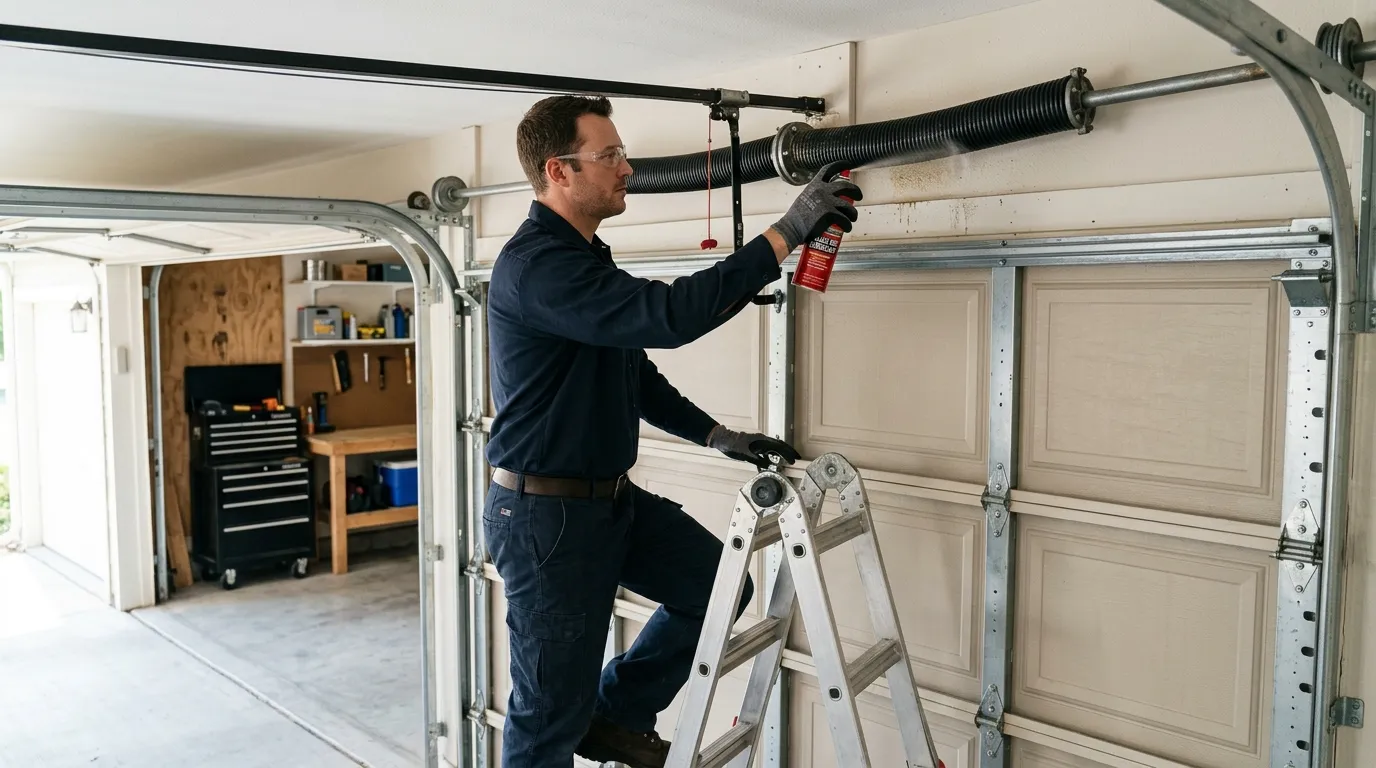
Heat is the other constant. This area sits in a moderate-heat climate band, and that steady thermal cycling is hard on nylon rollers and on the lubrication in older torsion springs. Doors that sat fine for years start binding on the track as the metal expands and contracts through the summer.
We also see openers that were upgraded once, in the 90s or 2000s, bolted onto original track and hardware that was never swapped out. That mismatch - new motor, old door - causes more service calls than either piece alone.
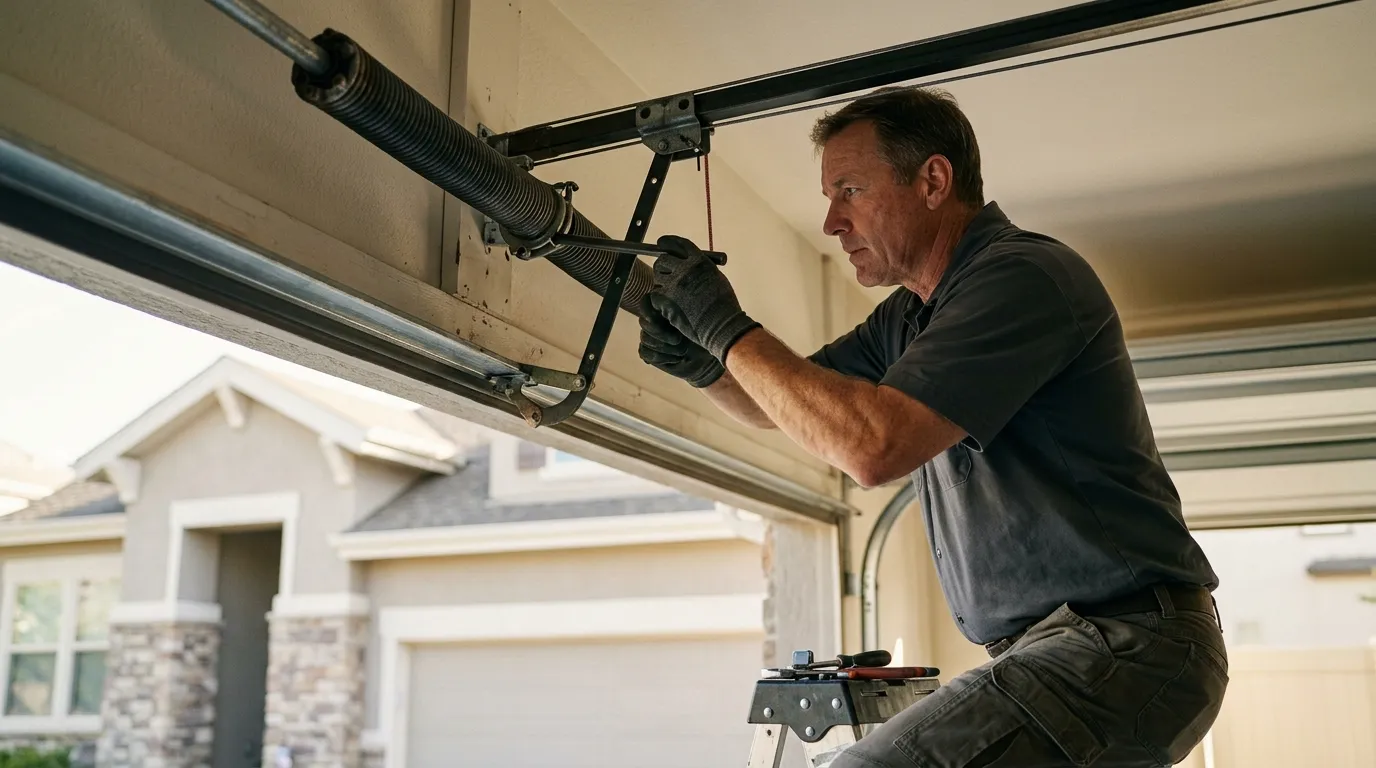
The service area runs from newer builds out past 2007 back to houses that went up in 1958, with the median build year around 1978. Walk or drive through Sierra Lakes, Southridge Village, Fontana Gateway, or the Southwest Industrial Park corridor and you're mostly looking at that mid-century-to-70s wave repeated street after street, with the same garage door openings and the same header clearance.
That matters for repair work because door width and track height on a house built in 1965 often don't match what a big-box store stocks today. We keep parts on hand sized for that era specifically because so much of what we service falls into it.
Further out - Rialto four miles away, Bloomington at five, Jurupa Valley and Muscoy around seven - the housing stock runs similar, part of the same broader build-out. Closer in, Downtown sits about two miles to the ESE and Rialto Airport three miles ENE, both inside that same wave of construction. If your door still has the builder's original springs and a hand-crank emergency release, you're not unusual - you're the typical call.
Not every door is worth fixing, and we'll say so. If the panels are original to a house from the 1960s or 70s and they're dented, delaminating, or the wood core is soft from years of moderate-heat cycling, patching one panel just means the next one fails in a year. At that point a new door costs less over time than a string of repairs.
Same with openers. If the logic board is original and the chain drive is worn past adjustment, we don't recommend sinking money into a board that's likely to fail again in six months. A new opener with a modern safety sensor setup is the better call.
Where we don't push replacement: if the spring is broken but the door itself, the track, and the panels are sound, that's a repair, full stop. We don't sell a new door to a customer who needs forty dollars of hardware. That honesty costs us some tickets. It's also why people call us back.
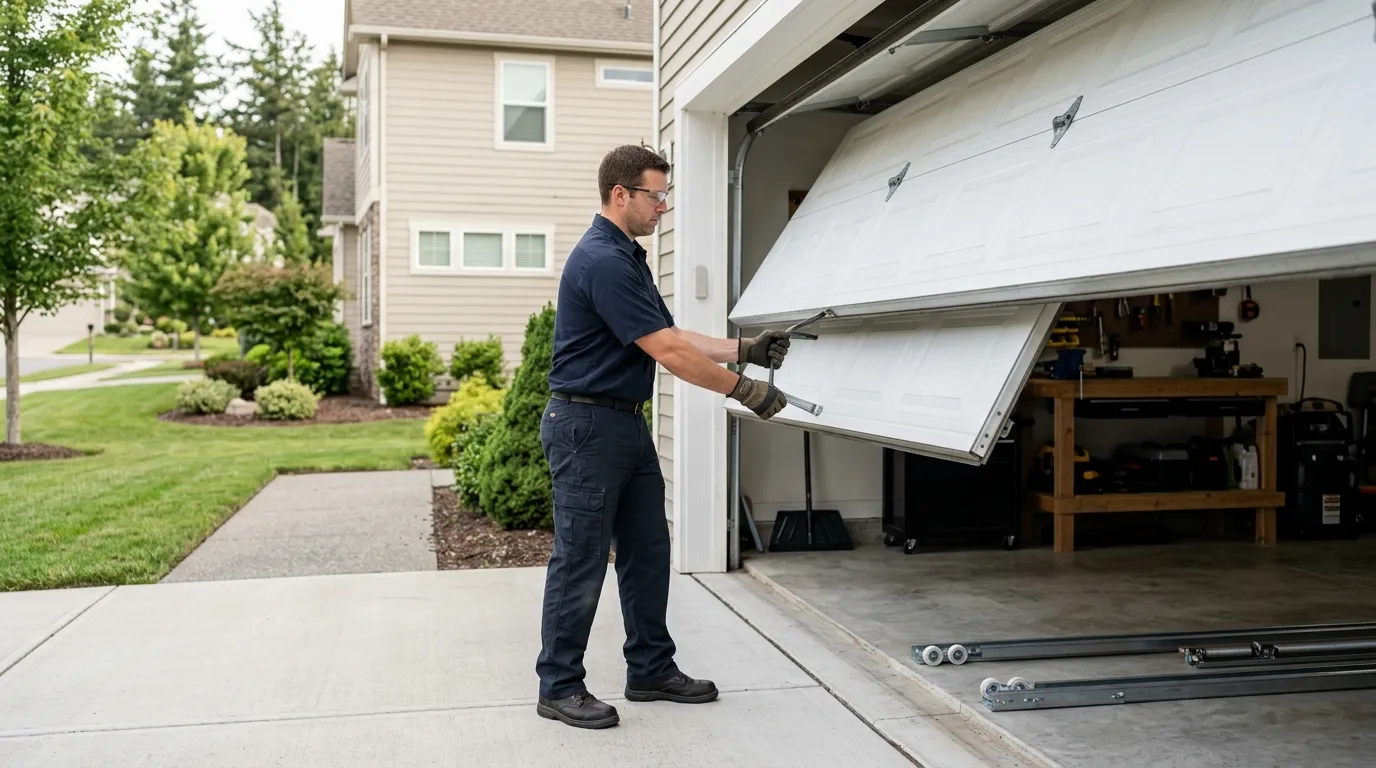
We don't quote a flat number because the job isn't flat - a broken roller costs a lot less than a bent track on a double door, and both are common calls here. What we can tell you is what drives the number: the age and size of the door, whether the spring is standard torsion or an older extension setup, and whether the opener needs replacing alongside the door hardware.
Across the service area, median household income runs $92,168 with roughly 124,933 owner-occupied houses among 218,836 households total. That's a mix of paid-off older homes and newer mortgages, and we price the same for both - parts and labor, no markup for the neighborhood. We'll tell you the number before we start, not after.
Good to Know
Most of the housing stock here went up between 1958 and 2007, with the median around 1978, so a large share of the doors we service are original to that era - one-piece or early sectional doors on torsion or extension springs sized for hardware that's since gone out of production.
We stock the standard sizes that match the 1960s-70s housing wave common across this area, since that's most of what we see. Less common or older extension setups sometimes need a short parts wait, which we'll tell you about before starting the job.
Yes, when the panels are original and dented or delaminating, or the opener's logic board is failing repeatedly. If the spring's broken but the door and track are sound, that's a repair, not a replacement - we won't sell you a new door you don't need.
This area sits in a moderate-heat climate band, and the steady thermal cycling dries out nylon rollers and stiffens older spring lubrication faster than in milder climates. It's one of the more common reasons doors start binding on the track after years of running fine.
Call now or request a free quote - same-day service on most repairs, upfront written pricing.